
What is Bottarga?
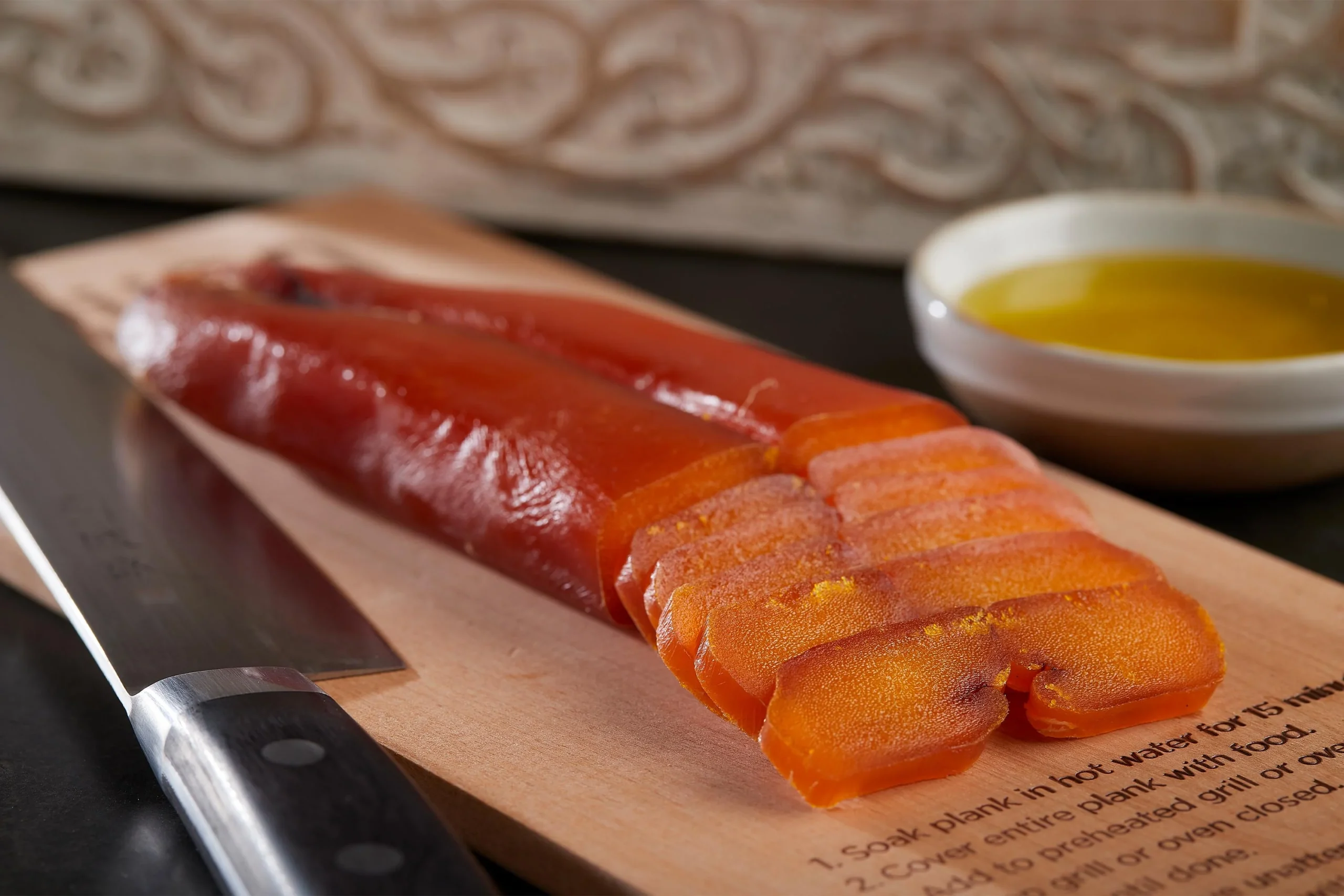
Bottarga is a delicacy of salted, cured fish roe pouch, typically of the grey mullet or the bluefin tuna (bottarga di tonno). The best-known version is produced around the Mediterranean; similar foods are the Japanese karasumi and Taiwanese wuyutsu, which is softer, and Korean eoran, from mullet or freshwater drum.
The method for preserving the roe sacs of grey mullet is thought to have originated with the Phoenicians. Bottarga is a delicacy made from fish eggs that have been preserved in salt. This preservation method has been done for centuries and is popular in the Mediterranean and Asia. Bottarga is very popular throughout the world as a rare, tasty, and nutritious dish.
Bottarga, or cured fish roe, is known as "Mediterranean caviar" and dates back around 3000 years. The name originates from the Arabic word buttarikh (singular: butarah) meaning 'raw fish eggs', which in turn comes from the Greek oiotarikhon, meaning 'pickled eggs'.
Benefits of Bottarga
- High in proteins and vitamins A, B5, B7, and B12
- Contains phosphorus and iodine
- Rich in "healthy fats" or lipids that help with normal brain, eye and heart functioning
- Every 100 grams of fish roes contain more than 22 grams of different protein, making it recommended for athletes and people who need protein to strengthen muscles and develop the body.
How to Eat Bottarga
Bottarga is best eaten raw. It's typically grated or crumbled over various pasta dishes, vegetables, eggs, salads, and other meals to provide a great rustic accent. It can also be sliced into thin wedges and served as a standalone appetizer, like how Italian truffles are used.
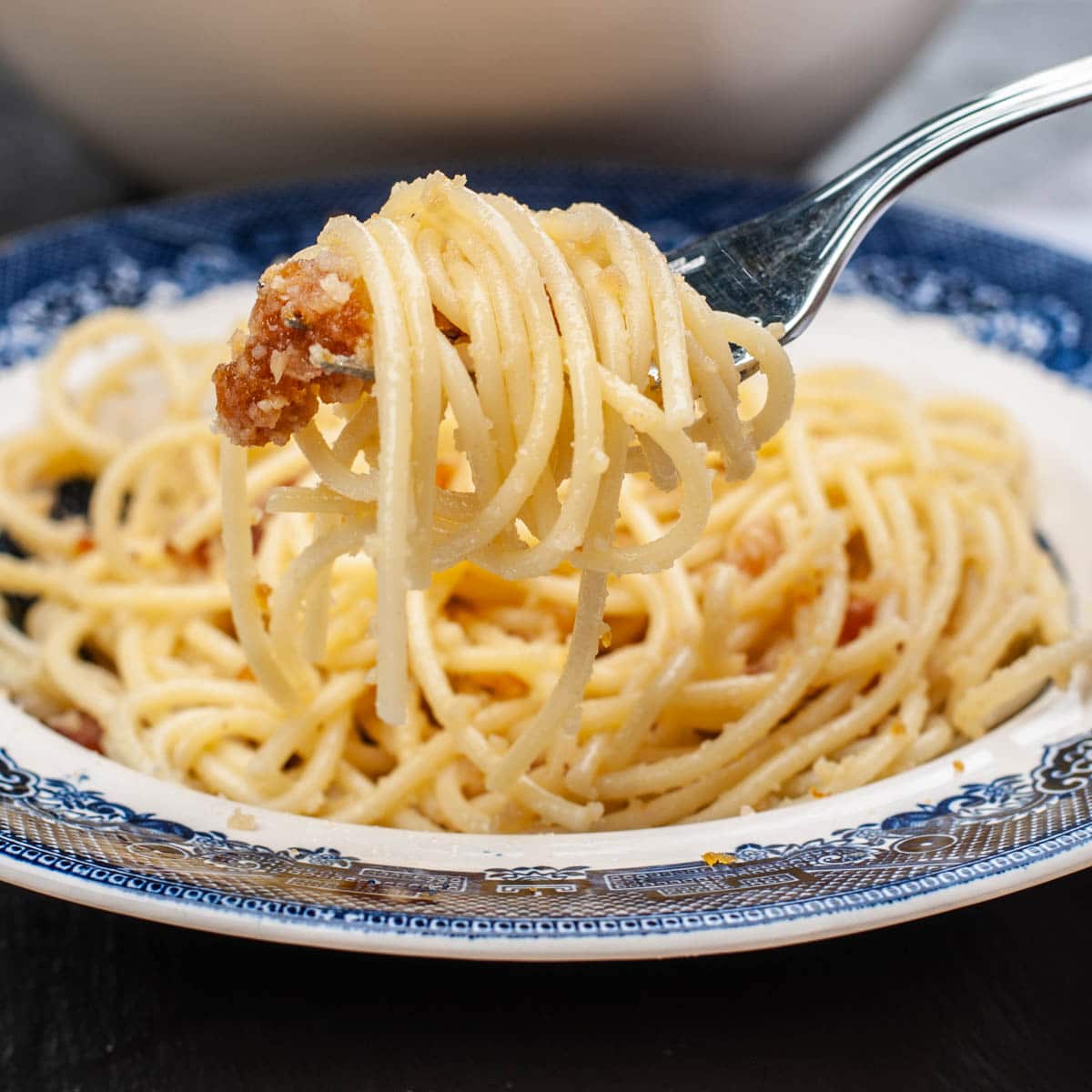
Some popular ways to use bottarga:
- Grated over raw, roasted, or cooked broccoli or cauliflower
- Shredded into a salad of sliced cherry or Roma tomatoes and fresh basil
- Sliced paper-thin and seasoned with salt, soy sauce, lemon juice, and flavorful oil
Why is Bottarga Expensive?
Due to its unique taste and the laborious, time-consuming process needed to create it, bottarga quickly became a precious and refined product that was quite hard to find far from where it was produced (at least until the 1950s) and was often given as a valuable gift.
Bottarga from the Mediterranean Sea is considered the best in the world. This dried Mullet Roe is still salted by hand and checked day after day, until the Mediterranean salty breezes blowing in through aging cellars do their job – creating one of the tenderest and mildest Bottargas you will ever taste.
Storage and Use
- As long as it hasn't been opened, bottarga is best if used within 15 months but will still be fine for two or three years.
- Bottarga is sensitive to ultraviolet light, so it is best stored in a dry and dark place.
- A single piece of bottarga, when grated, is usually enough for four servings. If there's any leftover, wrap it well and refrigerate or freeze it, and it will keep for months.
- You can grate bottarga over scrambled eggs, add it to risotto, slow-cooked cannellini beans, or sprinkle it over a Caesar salad.
Cooking with Bottarga
- Steeping grated bottarga off-heat in warm olive oil coaxes out its delicate aroma.
- Cooking the pasta in a small amount of water produces super-starchy pasta water that is ideal for emulsifying the sauce, which is brought together simply by tossing and stirring the noodles off-heat.